September 9, 2026
Brakes are an important part of your vehicle's braking system. Whether you're experiencing a change in braking performance or need routine maintenance, professional service can help identify worn, damaged, or otherwise problematic components. Understanding what local brake repairs can involve can help you recognize when your vehicle may need attention and know what to expect from an inspection, diagnosis, and repair.
Essential Brake Repair Services
Explore Brake Service Options
Local brake repairs can involve several components, depending on the condition of the vehicle and the issue being addressed. Services may include brake inspections, brake pad and shoe replacement, rotor and drum resurfacing or replacement, caliper repair or replacement, brake fluid service, and brake line or hose repairs. ABS diagnosis and repair may also be needed when an issue affects the vehicle's anti-lock braking system.
Brake service can help identify worn or damaged components before they interfere with braking performance. An inspection can determine whether brake pads, shoes, rotors, drums, calipers, fluid, lines, hoses, or other components require attention. Computer diagnostics and electrical diagnostics may also be used when a brake concern involves an electronically controlled vehicle system.
Know Your Brake Components
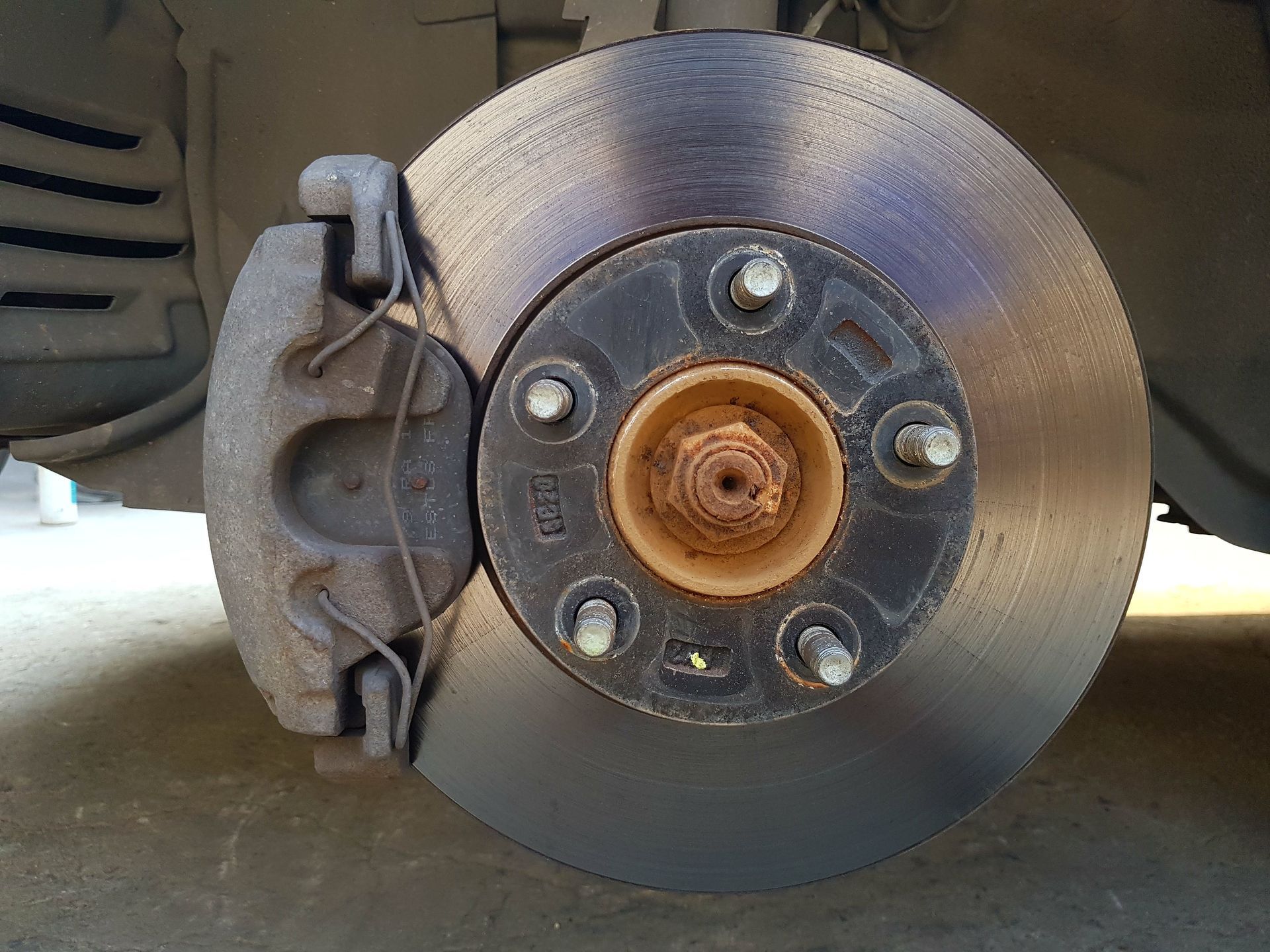
A vehicle's braking system can include several components that require inspection or service over time. Brake pads and shoes work with rotors and drums during braking, while calipers are also part of the system. Brake fluid, lines, and hoses are additional components that may require service when their condition calls for attention.
ABS concerns involve another part of the braking system. The anti-lock braking system may require diagnostic testing when a problem occurs. Understanding the different components can make it easier to describe changes in braking performance and understand which areas may require inspection or repair.
Maintain Your Braking System
Routine brake inspections can help identify worn components and determine when maintenance or repairs may be needed. Brake pads and shoes can require replacement, while rotors and drums may require resurfacing or replacement. Brake fluid, lines, hoses, and calipers can also require service depending on their condition.
Addressing concerns promptly can help identify issues before they become more extensive. If you notice changes in braking performance, unusual sounds, changes in pedal feel, or other concerns, an inspection can help determine whether the vehicle needs brake maintenance or repair. Local brake repairs can address the components identified during that evaluation.
Thorough Brake Inspection Process
Describe Your Brake Concerns
Before brake service, consider noting any changes you've noticed in braking performance, unusual sounds, changes in pedal feel, or other concerns. Sharing these observations can help the repair team understand what you're experiencing and determine which areas may need inspection. This information can provide useful context when evaluating the vehicle.
A brake inspection can help identify worn, damaged, or otherwise problematic components within the braking system. Depending on the vehicle and the issue, inspection and diagnostic services may involve brake pads, shoes, rotors, drums, calipers, brake fluid, lines, hoses, and ABS components. Local brake repairs can then address components that require service.
Complete a Brake Inspection
An inspection provides an opportunity to evaluate the condition of the vehicle's braking components and identify areas that may require service. Brake pads and shoes can be checked for wear, while rotors and drums can be evaluated to determine whether resurfacing or replacement is appropriate. Calipers, brake fluid, lines, and hoses may also require attention depending on their condition.
When a concern involves an electronic system, computer diagnostics can be used alongside the physical inspection. This can be particularly relevant for ABS concerns or other vehicle issues involving electronic components. Electrical diagnostics can also help identify problems affecting vehicle systems.
Use Computer Diagnostics
Computer diagnostics can help identify problems within a vehicle's electronic systems. Diagnostic services can be used alongside brake inspections when an issue involves ABS or other electronically controlled vehicle systems. Electrical diagnostics can also help identify problems affecting vehicle components and systems.
ABS diagnosis and repair can address problems affecting the anti-lock braking system. Braking concerns can involve both mechanical and electronic components; diagnostic services can help determine what type of repair or maintenance the vehicle requires. This evaluation can be part of local brake repairs when an electronic braking concern is identified.
Review Repair Estimates
Written repair estimates can provide information about recommended vehicle repairs before service is performed. For brake concerns, an estimate can help clarify which components or services require attention and what work may be involved. This can give you information to consider before proceeding with the recommended service.
The appropriate brake service depends on the condition of the vehicle and the components involved. An inspection and diagnostic evaluation can help determine whether the vehicle needs maintenance, component replacement, or additional brake-system repairs. Local brake repairs can be selected based on the requirements needed during this evaluation.
Comprehensive Brake Component Repairs
Replace Worn Brake Components
Brake component replacement can address parts that have reached a condition where resurfacing or replacement is appropriate. Brake services can include replacing brake pads and shoes, rotors and drums, and calipers when necessary. The specific service depends on the condition of the vehicle and its components.
Rotors and drums may also be resurfaced when appropriate. These components work with the brake pads or shoes during braking and may require service as part of local brake repairs. An inspection can help determine whether resurfacing or replacement is appropriate for the vehicle.
Service Brake Fluid
Brake fluid is an important part of the braking system and can require service as part of vehicle maintenance. Brake fluid service may include flushing or replacing the fluid when needed. Addressing the condition of the fluid can be part of a broader brake-system inspection and repair.
Repair Lines and Hoses
Brake lines and hoses are additional components that may require inspection and repair. Damage or wear affecting these components can require attention as part of brake-system service. Evaluating the lines and hoses alongside other brake components can help identify which repairs are appropriate for the vehicle.
Address ABS Concerns
ABS diagnosis and repair can help address problems involving the vehicle's anti-lock braking system. Computer and electrical diagnostics may be used when a brake concern involves electronically controlled components. Identifying the source of an ABS issue can help determine the appropriate repair.
Ongoing Brake System Maintenance
Schedule Routine Inspections
Routine brake inspections can help identify changes in the condition of braking components. Regular attention can help determine when brake pads, shoes, rotors, drums, calipers, fluid, lines, hoses, or other components may require service. These inspections can also help identify areas that may need further evaluation.
Brake maintenance is one part of broader vehicle care. Addressing concerns when they arise can help keep the braking system in proper working condition and identify repairs that may be needed as components wear. Local brake repairs can address identified issues as part of maintaining the vehicle.
Address Issues Promptly
Brake problems can affect how a vehicle stops and handles during braking. Having concerns evaluated promptly can help identify worn or damaged components and determine whether repairs or maintenance are needed. Brake inspections can also identify issues involving pads, shoes, rotors, drums, calipers, fluid, lines, hoses, and ABS components. According to PartsTech, on average, auto repair shops across the U.S. service 2.2 vehicles per bay per day.
When brake service is needed, the appropriate repair depends on the vehicle and the condition of its components. A professional inspection and diagnostic evaluation can help determine which services are appropriate rather than relying on assumptions about the source of a problem. Midway Transmissions & Auto Center provides brake inspections, repairs, component replacement, fluid service, ABS diagnosis, and related diagnostic services, along with other automotive maintenance and repair services.